Choosing the right Synthetic Artificial Grass is a crucial decision for homeowners and businesses alike. According to Dr. Jane Thompson, a leading expert in landscape design, “Selecting the best synthetic grass involves understanding both aesthetics and functionality.” This insight emphasizes the need for careful consideration.
The market for Synthetic Artificial Grass offers various options. Some products look stunning but may lack durability. Others are tough but may not enhance the visual appeal of your landscape. It's essential to balance these aspects based on your specific requirements. Durability, maintenance needs, and environmental impact should guide your choice.
In the realm of Synthetic Artificial Grass, not all products are created equal. Price often reflects quality, yet cheaper options can lead to long-term regret. Evaluating factors like lifespan and manufacturer reputation is vital. This choice can significantly influence your outdoor experience. Being knowledgeable will help you avoid mistakes that could affect your investment for years to come.
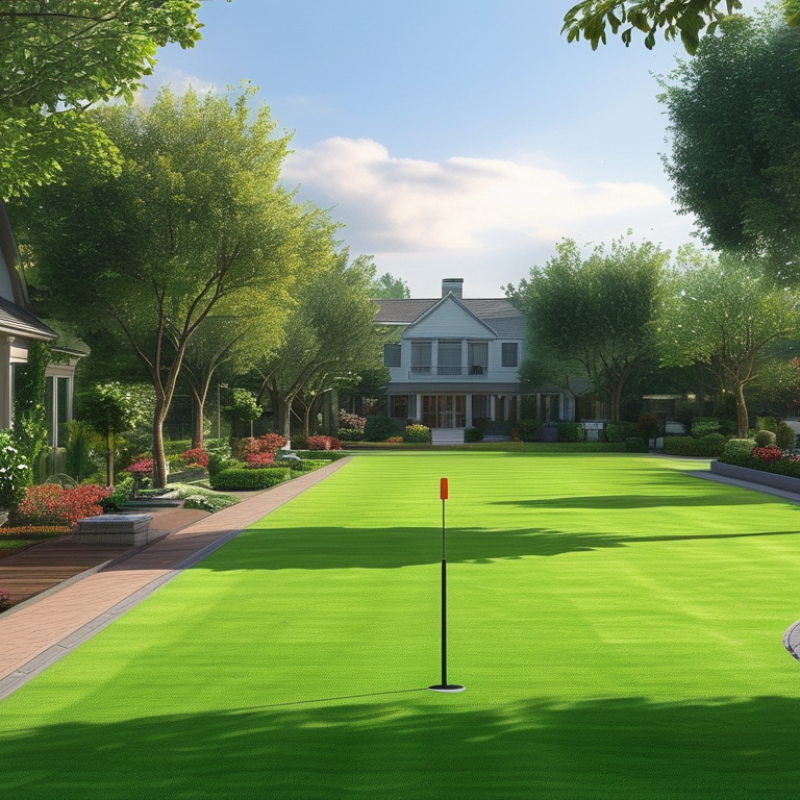
When selecting synthetic grass, several essential factors come into play. The intended use is paramount. For residential lawns, durability and aesthetic appeal are crucial. In contrast, sports fields require resilient fibers to withstand heavy traffic. Research from the Synthetic Turf Council indicates that approximately 30% of all synthetic grass installations are for sports purposes. Understanding the foot traffic and activities expected can lead to better choices.
Another critical consideration is the environment. Different climates affect the grass's longevity and performance. Some products handle UV exposure better than others. Heat tolerance is essential in hotter regions. Furthermore, drainage properties are vital to prevent water pooling. A study published in the Journal of Turfgrass Science underscores the importance of adequate drainage to maintain quality and usability.
Tips: Look for grass with a warranty of at least eight years. This can help ensure that your investment stands the test of time. It's also advisable to check for certifications that meet industry standards, ensuring a reliable product. Finally, remember to consider the infill material; it plays a significant role in cushioning and supporting the grass's structure.
When selecting the right synthetic grass, understanding material variations is crucial. Synthetic grass is made from different materials, each offering unique benefits. Nylon, for instance, is known for its durability. However, it can be heat sensitive, which may not be ideal for warmer climates. Polypropylene is lighter and more affordable but can wear out more quickly.
It's essential to consider the intended use. For high-traffic areas, choose a product designed to withstand frequent footfall. If the grass will be used for pets, look for options that are antimicrobial and easy to clean. A thick pile height can enhance visual appeal but may collect debris more easily.
Tips: Always check for UV resistance to prevent fading. Look for grass with a strong backing to enhance the longevity. Products with a mix of fibers can offer a more natural look. Reflect on your specific needs—what works in one setting may fall short in another. Not every solution is perfect, and personal trial may be necessary.
When selecting synthetic artificial grass, it’s crucial to evaluate performance indicators like
lifespan, durability, and
maintenance requirements. Research shows that
high-quality synthetic turf can last between 10 to 20 years, depending on material
and usage. The average lifespan of less expensive alternatives significantly decreases, often falling
to around 5 to 8 years. This variability underscores the importance of investing in
durable options for long-term satisfaction.
Durability is another key consideration. Depending on the pile height and density, some synthetic
grass products can better withstand heavy foot traffic. A study by the Synthetic Turf Council
indicates that well-constructed synthetic grass can endure up to
300,000 to 500,000 cycles of foot traffic, while others
might fade or wear out much sooner. Manufacturers often advise that regular maintenance, like
brushing and cleaning, can enhance the grass’s longevity.
Maintenance can vary widely. While some artificial grass
requires minimal upkeep, others might need more frequent attention to maintain appearance.
Regular cleaning can prevent debris build-up and mitigate odors. Guidelines suggest deep cleaning
at least twice a year, which is often overlooked. Each option offers unique advantages and
challenges, making it essential to assess individual needs carefully.
Consider how much time and effort you're willing to invest versus the aesthetics and performance
you desire.
When considering synthetic artificial grass, budgeting is crucial. The initial cost can vary widely based on the type and quality chosen. You might find options ranging from $2 to $8 per square foot. Factors like installation fees and maintenance costs also play a significant role. Assessing your budget for the entire project is wise.
Long-term expenses can catch you by surprise. Although artificial grass requires less maintenance than natural grass, occasional cleaning and repairs are necessary. You may also need to account for water drainage systems in some environments. Consider these factors to avoid unexpected costs later.
Price is only one part of the equation. Cheaper options might save you money upfront but could lead to higher repair costs down the line. Evaluating different materials and their longevity is essential. Choosing the right grass requires a careful look at both initial and ongoing costs to ensure a good investment.
| Feature | Description | Initial Cost (per sq ft) | Maintenance Cost (per year) | Lifespan (years) |
|---|---|---|---|---|
| Durability | Highly resistant to wear and tear | $2.50 | $300 | 15 |
| Aesthetic Quality | Looks and feels like real grass | $3.00 | $250 | 10 |
| Drainage | Effective water drainage system | $2.75 | $200 | 12 |
| Eco-Friendliness | Made from recycled materials | $3.50 | $150 | 10 |
| UV Stability | Resistant to fading from sun exposure | $2.25 | $100 | 15 |
When considering synthetic grass, sustainability matters. Traditional lawns require heavy water use and chemical fertilizers. In contrast, synthetic grass needs no water. It provides an excellent alternative for reducing water consumption. According to the Environmental Protection Agency, replacing natural grass with artificial options can save up to 55 gallons of water per square foot annually.
While synthetic grass eliminates the need for pesticides, its production poses challenges. Many products are made from non-renewable materials. Recent studies indicate that only about 10% of synthetic turf can be recycled. This creates a substantial waste problem as more fields are installed. Homeowners should ask, “What happens to my turf at its end of life?”
Eco-friendly options do exist. Some manufacturers focus on using recycled materials or offer alternatives like bio-based plastics. However, these options may not always be readily available. Research suggests that more transparency in materials used is essential. This helps consumers make informed decisions. Sustainable artificial grass selections can be beneficial, yet awareness and an active search for greener alternatives are crucial.
: Common materials include nylon, polypropylene, and polyethylene. Each has unique benefits and drawbacks.
Nylon grass is durable and can withstand heavy use. However, it may not be ideal in hot climates.
Polypropylene is lightweight and affordable. However, it tends to wear out faster than other materials.
Look for synthetic grass designed to endure frequent foot traffic. This ensures longevity and performance.
UV resistance prevents fading and maintains the grass's color and appearance over time.
Yes, some options use recycled materials or bio-based plastics, but their availability may vary.
It can significantly reduce water usage, saving up to 55 gallons per square foot annually compared to natural grass.
Many products are not easily recyclable, creating potential waste issues that need consideration.
Thick piles can look appealing but may collect debris more easily and require more maintenance.
Consider specific needs, such as durability, pet-friendliness, and maintenance. Not every option fits all situations.
Choosing the best synthetic artificial grass requires careful consideration of various factors tailored to specific needs. First, when selecting synthetic grass, it’s essential to evaluate the intended use, as different types of materials offer varying durability and aesthetic appeal. Understanding the lifespan and maintenance requirements can also significantly impact your decision, ensuring that the grass will withstand the conditions of your environment.
Additionally, conducting a thorough cost analysis allows you to budget for both the initial purchase and potential long-term expenses, such as upkeep and eventual replacement. It's also crucial to consider the environmental impact of synthetic artificial grass, with an increasing emphasis on sustainable and eco-friendly options. By analyzing these aspects, you can make an informed decision that suits both your practical and ecological needs.

Deyuan Industry