Landscaping Artificial Grass has become a popular choice for homeowners and businesses alike. It offers numerous benefits that go beyond aesthetics. Many people appreciate its low maintenance requirements and durability. Unlike natural grass, artificial grass retains its lush appearance year-round. This makes it an ideal solution for busy individuals who desire a beautiful lawn without the hassle of frequent upkeep.
Moreover, Landscaping Artificial Grass is environmentally friendly. It eliminates the need for watering, pesticides, and fertilizers. This reduces water consumption and the use of harmful chemicals. Some may argue it lacks the organic feel of real grass. However, advances in technology have improved its texture and appearance. It’s now hard to distinguish between natural and artificial options.
Think about the versatility of Landscaping Artificial Grass. It can be used in various settings, from residential yards to commercial spaces and playgrounds. With its many uses, it is crucial to weigh both the pros and cons. While it can enhance curb appeal, the initial investment may be a consideration for some. Understanding these factors helps in making a well-informed decision.
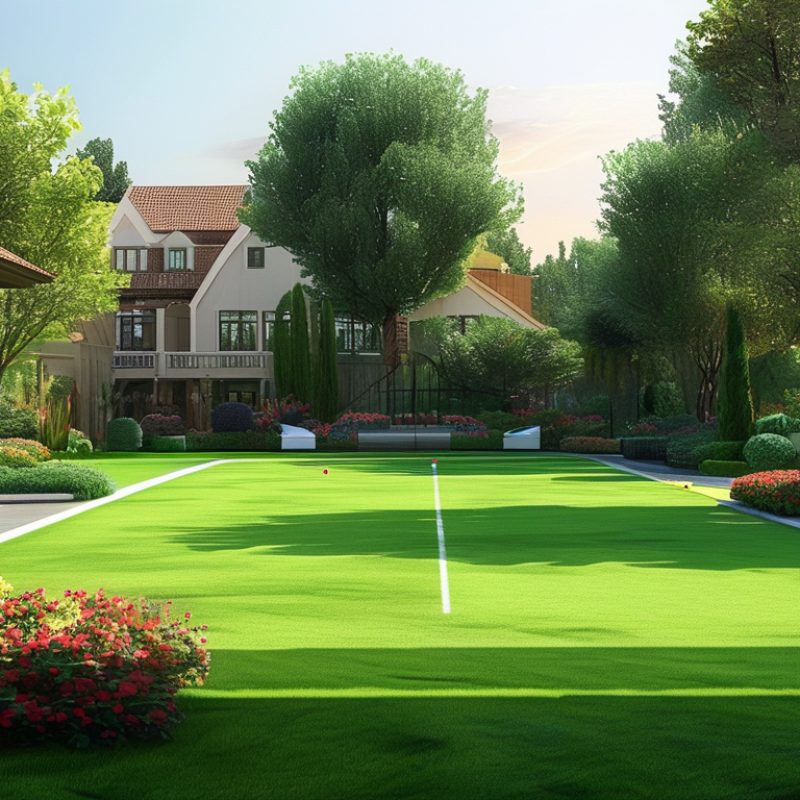
What is Artificial Grass?
Artificial grass is a synthetic alternative to natural grass, commonly made from polyethylene, polypropylene, or nylon materials. It mimics the appearance and feel of real grass while offering various benefits. With no need for watering or mowing, artificial grass suits busy lifestyles and helps conserve water. This reduces your environmental footprint, especially in regions facing drought. Its durability means it can withstand harsh weather, making it ideal for various landscapes.
Beyond its practical applications, artificial grass enhances aesthetics. It creates vibrant, lush spaces without the challenges of maintaining natural lawns. Residential properties can enjoy neat, clean surfaces year-round. Playgrounds and sports fields benefit from its consistent playing conditions, reducing injury risks. However, some may find it lacks the charm of real grass. It's critical to weigh these factors when considering artificial grass.
Additionally, installation can be complex and may require professional help. Without proper groundwork, the grass may wear unevenly. Regular maintenance, such as brushing and cleaning, is essential to keep it looking its best. Despite its advantages, it's not a perfect solution for everyone. Understanding both benefits and drawbacks helps inform the decision-making process.
Key Benefits of Using Artificial Grass in Landscaping
Artificial grass is becoming increasingly popular in landscaping due to its numerous advantages. One of the key benefits is its low maintenance needs. Homeowners can enjoy a lush, green lawn without the hassle of mowing, watering, or fertilizing. This makes it an excellent choice for busy individuals or families.
Another significant advantage is its durability. Unlike natural grass, artificial grass withstands heavy foot traffic and harsh weather conditions. It retains its vibrant color and texture throughout the year. This means more time enjoying your outdoor space and less time worrying about upkeep.
While the initial investment in artificial grass may be higher, the long-term savings on water bills and maintenance can outweigh the costs. However, some may feel uncertain about its environmental impact. It's important to consider the materials used and the recycling options available. Reflecting on the balance between aesthetics and sustainability can lead to more informed decisions in landscape planning.
Key Benefits of Using Artificial Grass in Landscaping
Common Applications of Artificial Grass in Residential Areas
Artificial grass has become increasingly popular in residential areas for various reasons. Homeowners appreciate its low maintenance needs. There is no need to mow, water, or fertilize. This feature saves time and money. It also eliminates the need for harmful pesticides. People can enjoy a green lawn year-round. However, not all artificial grass looks natural. Some textures can appear overly glossy. Finding the right type is essential.
Patios and backyard spaces benefit greatly from artificial grass. It creates an inviting atmosphere for gatherings. Families can play games on a soft surface without worrying about mud or dirt. Pet owners also find it useful. Artificial grass is easy to clean and durable. Yet, some may find that heat retention can be an issue during summer. It is important to consider all these factors before installation.
Even in gardens, artificial grass can enhance aesthetics. It provides a vibrant contrast to flowers and plants. Using it under outdoor furniture can create a cozy space. Nonetheless, the installation requires careful planning. Uneven surfaces or poor drainage can lead to problems. Regular checks are necessary to ensure longevity. Balancing beauty and practicality is key.
Maintenance Requirements for Artificial Grass Landscapes
Maintaining an artificial grass landscape involves specific requirements to ensure it remains attractive and functional. Unlike natural grass, artificial turf does not require mowing. However, keeping it clean is essential. Regularly removing debris like leaves and dirt can prevent a buildup of mold and bacteria. According to a report by the Synthetic Turf Council, proper maintenance can extend the lifespan of artificial grass to around 15-20 years.
Tips: Use a leaf blower for quick debris removal. This can save time and energy.
Periodic brushing is crucial. This helps keep the blades upright and prevents matting. Studies show that regularly brushing the turf can enhance its appearance. It is recommended to brush the surface at least once a month. Additionally, if you have pets, rinsing the turf occasionally can eliminate odors and maintain hygiene.
Tips: Water the area lightly to wash off any contaminants. This simple step can go a long way.
While artificial grass landscapes offer low maintenance, some effort is still needed. Holes or loose seams may develop over time. Regular checks and prompt repairs are necessary. Ignoring these issues can lead to larger problems down the line. It is important to remain vigilant and address maintenance tasks as they arise.
Environmental Impact of Artificial Grass Compared to Natural Grass
The environmental impact of artificial grass compared to natural grass raises important considerations. According to the Synthetic Turf Council, synthetic lawns reduce water consumption by up to 55 gallons per square foot annually. This is significant in regions facing drought. Moreover, artificial grass eliminates the need for pesticides and fertilizers, which can contaminate soil and waterways.
However, concerns exist regarding the materials used in artificial turf. Many product compositions include polyethylene and nylon, which do not break down naturally. A 2021 report by the International Union for Conservation of Nature noted that as synthetic grass becomes widely adopted, its accumulation in landfills presents a recycling challenge.
The aesthetic appeal of artificial grass is notable. Homeowners appreciate the lush appearance without the hassle of upkeep. Yet, maintenance still exists, especially in monitoring temperature increases during hot weather. Reports indicate that synthetic surfaces can reach elevated temperatures, prompting further research on their long-term effects on urban heat and local ecosystems. These aspects require reflection as we embrace artificial solutions.
What is Landscaping Artificial Grass Benefits and Uses? - Environmental Impact of Artificial Grass Compared to Natural Grass
| Aspect |
Artificial Grass |
Natural Grass |
| Water Usage |
Low (Requires minimal watering) |
High (Requires regular watering) |
| Maintenance |
Low (No mowing or fertilizing needed) |
High (Requires regular mowing and fertilization) |
| Lifespan |
10-20 years (depends on quality) |
Varies (depends on care and climate) |
| Environmental Impact |
Made from non-biodegradable materials |
Biodegradable and provides habitat for insects |
| Comfort |
Can be hot in the sun, softer options available |
Natural cooling effect, softer underfoot |
| Pest Control |
Less attracting to pests |
Can attract pests and requires treatments |
Conclusion
Landscaping Artificial Grass is increasingly becoming a popular choice for many homeowners due to its numerous advantages. This synthetic solution offers a lush, green appearance year-round without the need for traditional lawn care, such as mowing, watering, or fertilizing. Among its key benefits are low maintenance requirements, durability, and the ability to conserve water, making it an environmentally friendly alternative to natural grass.
Common applications of Landscaping Artificial Grass include residential gardens, play areas, and outdoor recreational spaces, where it provides a safe and aesthetically pleasing surface for various activities. Although some may question its environmental impact, when compared to natural grass, artificial turf requires fewer resources and produces less pollution over its lifespan. Ultimately, Landscaping Artificial Grass presents a practical solution for enhancing the beauty and functionality of outdoor spaces.

 Deyuan Industry