Synthetic Artificial Grass has gained popularity in recent years. It offers a practical solution for homeowners and businesses alike. With advancements in technology, synthetic grass mimics the look and feel of natural grass. This makes it an appealing choice for landscapes, sports fields, and playgrounds.
One major benefit of Synthetic Artificial Grass is its low maintenance requirements. Owners don't need to worry about mowing, watering, or fertilizing. This not only saves time but also reduces long-term costs. Another advantage is its durability. Synthetic grass can withstand heavy foot traffic and harsh weather conditions. It retains its vibrant color and texture, creating a lush appearance year-round.
However, there are aspects worth considering. Some individuals may feel synthetic grass lacks the natural charm of real grass. Environmental impacts of manufacturing and disposal are also subjects of debate. It's essential to weigh the pros and cons before making a decision. Ultimately, understanding the benefits of Synthetic Artificial Grass can lead to informed choices for a beautiful, functional space.
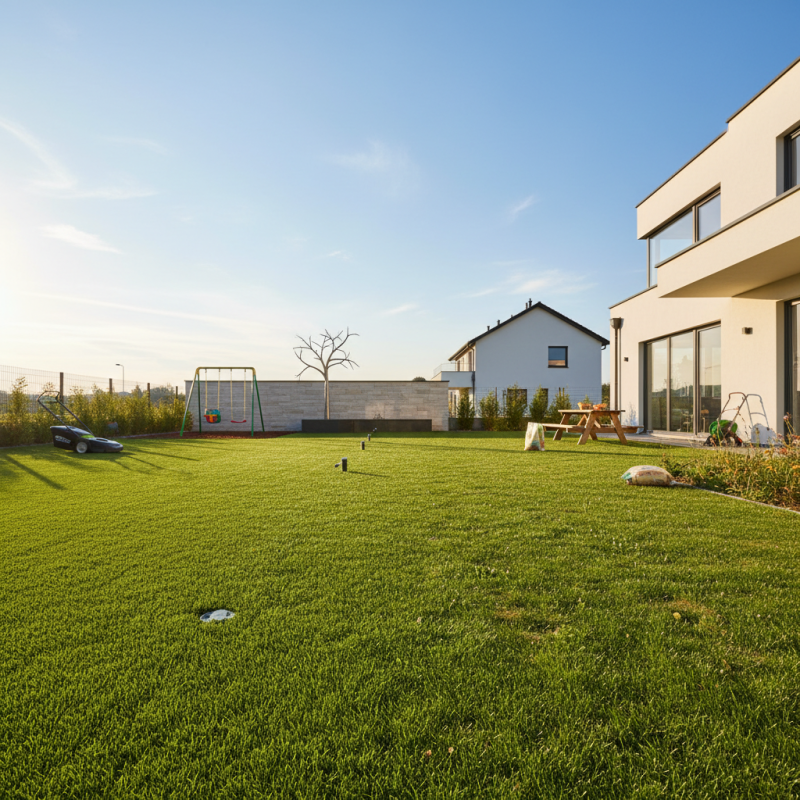
Understanding Synthetic Artificial Grass: Definition and Composition
Synthetic artificial grass is an engineered product designed to mimic natural grass. It consists of plastic fibers made from polyethylene, polypropylene, or nylon. These materials are strong and durable, ensuring the grass withstands various weather conditions. The blades are often tufted into a backing material, providing a sturdy structure that resembles real grass. This composition allows synthetic grass to maintain its aesthetics for years, requiring minimal maintenance.
One key benefit of synthetic grass is water conservation. Unlike natural grass, it requires no irrigation. This is particularly advantageous in arid regions. Moreover, synthetic grass is resistant to pests and diseases. It eliminates the need for pesticides or herbicides. While it has many advantages, there are concerns about heat retention. In direct sunlight, the surface can become quite hot. Some users find this uncomfortable, especially for children and pets playing on it. Finding the right balance between beauty, functionality, and safety is crucial when considering synthetic grass for any space.
Benefits of Synthetic Artificial Grass
The Environmental Impact of Synthetic Artificial Grass: Pros and Cons
Synthetic artificial grass has gained popularity for its aesthetic appeal and practicality. However, its environmental impact remains a hot topic. On one hand, synthetic grass conserves water and reduces the need for harmful pesticides. This can create a healthier space for local wildlife. On the other hand, production and disposal raise concerns. The materials used in synthetic turf are often non-biodegradable.
One major advantage is the reduction in maintenance. Traditional grass requires mowing, watering, and fertilizing, which consume resources. Synthetic grass eliminates many of these tasks, leading to lower carbon emissions from machinery. But the environmental cost of production cannot be ignored. Some products use plastic that contributes to pollution. The long-term effects on soil and groundwater are still under study.
Recycling options exist, but they are not widely implemented. Many synthetic grass products end up in landfills, contributing to waste. There are arguments about the sustainability of these materials. Alternatives being developed could lessen some of these issues. It is crucial to weigh the benefits against potential drawbacks, especially as the demand for synthetic solutions grows.
Key Benefits of Synthetic Artificial Grass for Residential and Commercial Use
Synthetic artificial grass has become increasingly popular in both residential and commercial settings. One key benefit is durability. It can last 15 years or longer with proper maintenance. According to a report by the Synthetic Turf Council, 90% of users believe that artificial grass significantly reduces water usage. For homeowners, this translates into lower water bills, especially in drought-prone areas.
Another advantage is the reduction of allergens. Traditional grass can harbor pollen and mold. However, synthetic grass provides a more controlled environment. This is particularly relevant for families with allergies. Commercial spaces also benefit from a neat, low-maintenance appearance. Aesthetic appeal matters, especially in highly visible areas. Many business owners noted a 30% increase in foot traffic after installing synthetic turf.
While the initial costs may seem high, long-term savings are significant. Studies show a reduction in lawn care costs by about 50% over time. Yet, it’s essential to consider factors like installation quality and materials. Not all synthetic grass is made equal. This reflects the importance of researching and choosing the right product for specific needs.
Comparing Synthetic Grass with Natural Grass: Durability and Maintenance
When comparing synthetic grass with natural grass, durability stands out. Synthetic grass can last up to 15 years with appropriate care. In contrast, natural grass requires regular reseeding and can struggle under heavy foot traffic. According to the Synthetic Turf Council, synthetic grass installations can reduce water usage by up to 70%. This statistic highlights the potential for conservation in areas facing drought.
Maintenance is another area where synthetic grass excels. Natural grass often demands weekly mowing, fertilizing, and pest control. This can be labor-intensive and costly over time. In contrast, synthetic grass usually only needs occasional rinsing and brushing, making it significantly easier to maintain. Studies indicate that homeowners can save hundreds of dollars annually on maintenance costs by switching to synthetic options.
Nonetheless, synthetic grass does come with its own set of challenges. While it minimizes maintenance, it can absorb heat and become uncomfortable on hot days. Some users have also raised concerns about the environmental impact of its production. Reflecting on these aspects, it is essential to weigh both benefits and drawbacks carefully. Making an informed decision requires consideration of individual needs and local climates.
Installation Process of Synthetic Artificial Grass: What to Expect
The installation process of synthetic artificial grass can seem daunting at first. However, when broken down into manageable steps, it becomes easier to understand. Start with preparing the area. Clear away grass, dirt, and debris. Ensure the ground is level and compact. A well-prepared base is crucial for a durable surface.
Next, you will lay a weed barrier to prevent unwanted plants from growing through your new lawn. After that, spread crushed stone or gravel to create proper drainage. The depth of this layer should be about two to three inches. This step is often overlooked, but it plays a vital role in the longevity of your artificial grass.
Finally, roll out the synthetic grass and trim the edges for a perfect fit. Use landscape staples to secure the grass in place. Ensure there are no bumps or wave formations, as these can lead to issues over time. It’s important to fluff the grass fibers and infill with rubber or sand if required. Though this process can take time and effort, the final result is visually appealing and low maintenance. Plan carefully and stay patient as you create your beautiful synthetic lawn.
FAQS
: Synthetic grass is made from plastic fibers like polyethylene, polypropylene, or nylon. These materials are strong and durable.
Unlike natural grass, synthetic grass needs no irrigation. This is especially useful in dry areas with limited water supply.
Yes, it can become quite hot when exposed to direct sunlight. This may be uncomfortable for children and pets.
Start by preparing the area. Clear grass, dirt, and debris, ensuring the ground is level and well compacted.
Yes, laying a weed barrier is important to prevent unwanted plants from growing through your new lawn.
The drainage layer should be about two to three inches deep, which helps ensure longevity of the grass.
Trim the edges for a perfect fit and secure it with landscape staples. Check for bumps or waves to avoid future issues.
Synthetic grass requires minimal maintenance, but it’s essential to fluff the fibers and add infill like rubber or sand if needed.
It can be daunting at first, but breaking it down into steps makes it manageable. Patience is key for a good result.
While it looks good and is low maintenance, users must consider heat retention and comfort levels for people and pets.
Conclusion
Synthetic Artificial Grass is an innovative alternative to natural grass, designed to replicate the appearance and feel of real grass while offering numerous advantages. Comprised of synthetic fibers, it presents a durable solution that requires minimal maintenance. The environmental impact of synthetic grass is a topic of discussion, with both pros and cons considered; while it conserves water and eliminates the need for pesticides, concerns about recyclable materials persist.
When comparing synthetic grass with natural grass, the former is noted for its enhanced durability and reduced upkeep, making it suitable for both residential and commercial applications. The installation process of synthetic artificial grass is straightforward, ensuring that users can enjoy a lush green space without the extensive commitment associated with natural lawns. Overall, synthetic grass provides an appealing option for those seeking an attractive and functional outdoor environment.

 Deyuan Industry